Towards the world’s first net zero pickle
I designed a net zero action plan that told a small business’s climate story in their voice and paired ROI and payback with every action. Then I turned the method into an AI workflow that cut delivery from eight weeks to a day.

Snapshot
Dillicious went from free pilot to paying customer in about three months, installed the solar they’d been quoted on for three years and moved to 100% renewable electricity.
- Role
- Senior Product Designer (Founding)I owned discovery, the plan’s content structure, copy, visual design, the customer content program and the AI workflow.
- Company
- n0de, a pre-product-market-fit climate startup out of Monash’s Generator program
- Client
- Dillicious, Australia’s second-largest pickle maker, five people
- Team
- Me, two co-founders who led the emissions modelling and client presentations, our Head of Product and Technology, and a Software Engineer
- Timeline
- December 2023 to mid-2025
- Stage
- Pre-product-market fit
Context and the real problem
The bet
Big organisations were setting net zero targets, but they moved slowly. n0de’s founders had already led Monash University’s net zero transition. Their hunch was that small businesses could move faster if they could see the money and had a story worth telling.
The brief
Make a free net zero action plan for Dillicious as a pilot. I designed the discovery interview, then decided what the plan should contain, how it should be framed, what it should look like and what tools to build it in.
What I saw in discovery
- James had collected about six solar quotes in three years and acted on none. Every installer was selling, so he couldn’t tell a good decision from a pitch.
- Cost was the blocker: “It’s still a $15,000 investment for a small business that is trying to figure out how to pay rent.”
- The founders’ earlier plans were accurate but data-first. Dense charts and a clever framework made sense to experts, and lost the owners they were written for.
- Small business owners are rooted in story. Ask James why he makes pickles and he lights up! Climate and energy, by contrast, feel distant and hard to trust.
How I reframed it
I treated the plan as the business’s next chapter, told in its own voice with the payback spelt out. Data alone wouldn’t move an owner. A story they recognised, backed by numbers they could act on, might.
Key decisions
Decision 1
Tell it in their voice, not ours
- What I chose
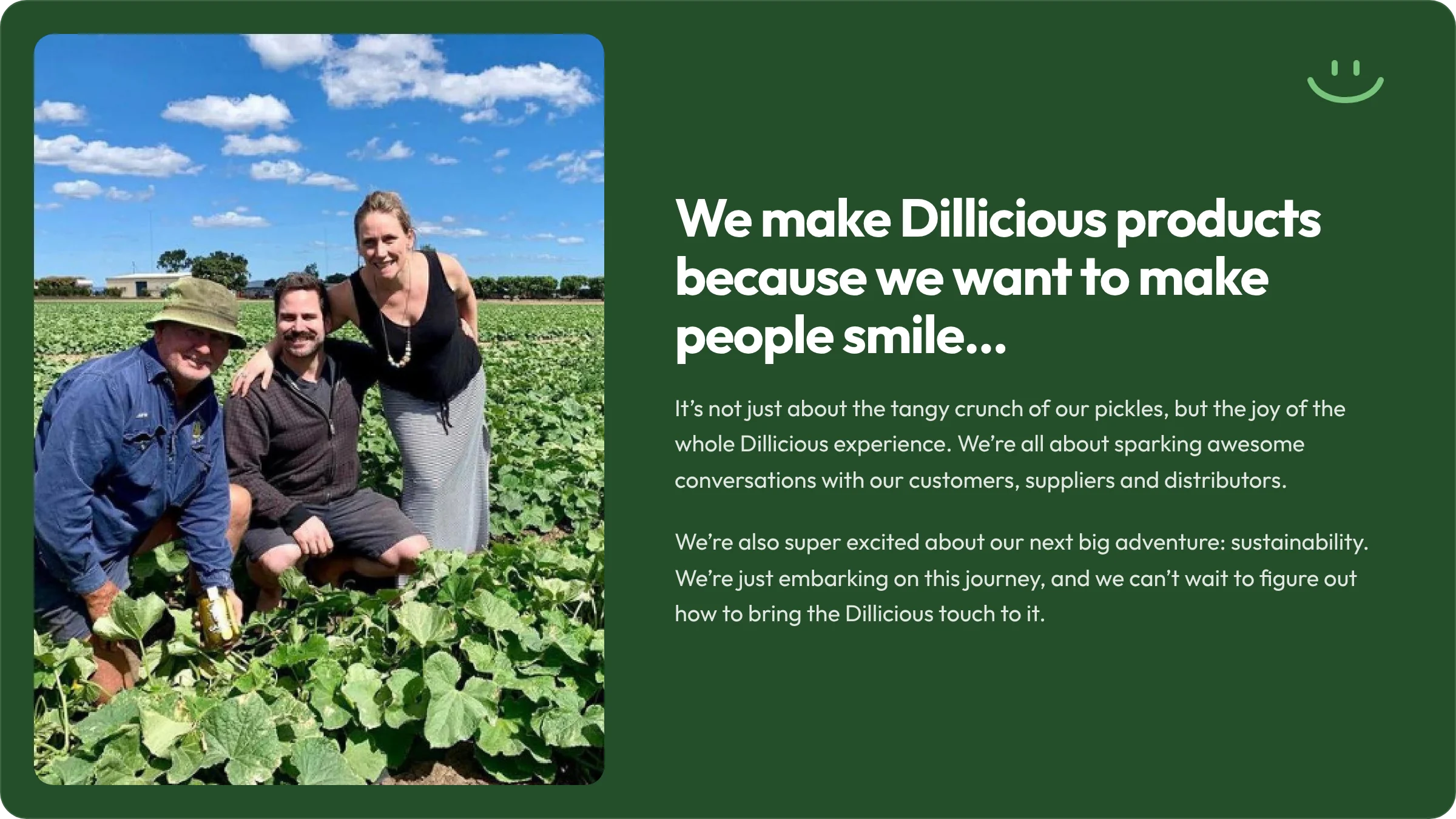
- The owner’s voice. The plan opens with why Dillicious exists (“we make Dillicious products because we want to make people smile”) and frames every action as their next adventure.
- Why
- People decide emotionally, then justify with data. A plan that sounds like them is one they believe, repeat and act on.
- Proof
- Customers read the vision aloud in the presentation. James read all of his: “I love that you made me say it, it makes you think about it differently.” Those were our strongest sessions.
- Trade-off
- Every plan became bespoke, which slowed delivery. Playful copy also raises the stakes on claims, so I kept the wording to “we want to be net zero”, never “we are”.
Decision 2
Lead with the payback, not the emissions
- Hypothesis disproven
- The founders’ earlier plans assumed the numbers would persuade. Instead, data-first plans got scrutinised and picked apart, especially by technical people in larger businesses.
- What I chose
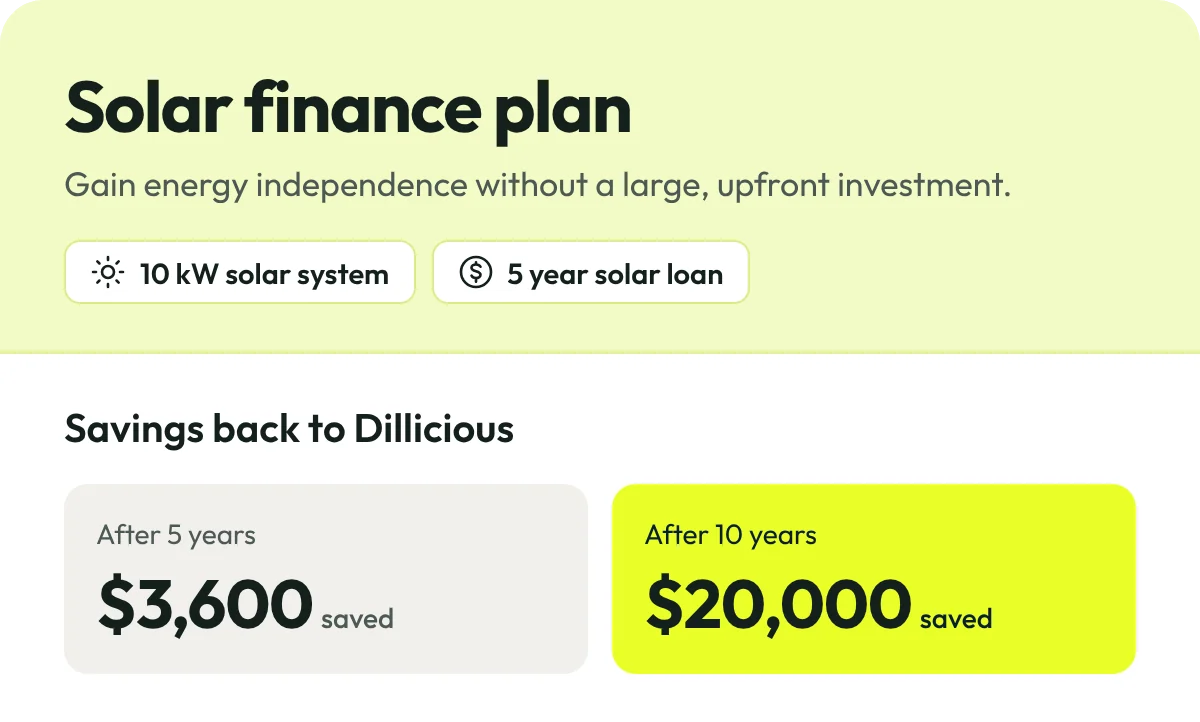
- Bite-sized, card-based payback. Each action shows its cost, savings and payback period at a glance. I brought the pattern from EngineRoom, where tying marketing spend directly to sales was what cut through.
- Why
- The owners we spoke to cared. Cost and distrust stopped them.
- Proof
- Another pilot business owner: “I wasn’t expecting the demonstration of the reduction in emissions with the dollar value… I’m going to look at rooftop solar because the cost wasn’t as great as I thought.”
- Trade-off
- Some actions have no payback. For offsets, we showed the cost per jar instead, about 8–11 cents. James: “That doesn’t feel hard at all.”

Decision 3
Stay no-code, then turn the method into an AI workflow
- What I chose
- No-code on purpose. Climate action is a complicated decision space. If it were easy, people would already be doing it. We needed room to change the solution.
- Constraint
- A hand-built plan took about eight weeks, which doesn’t scale.
- What I did
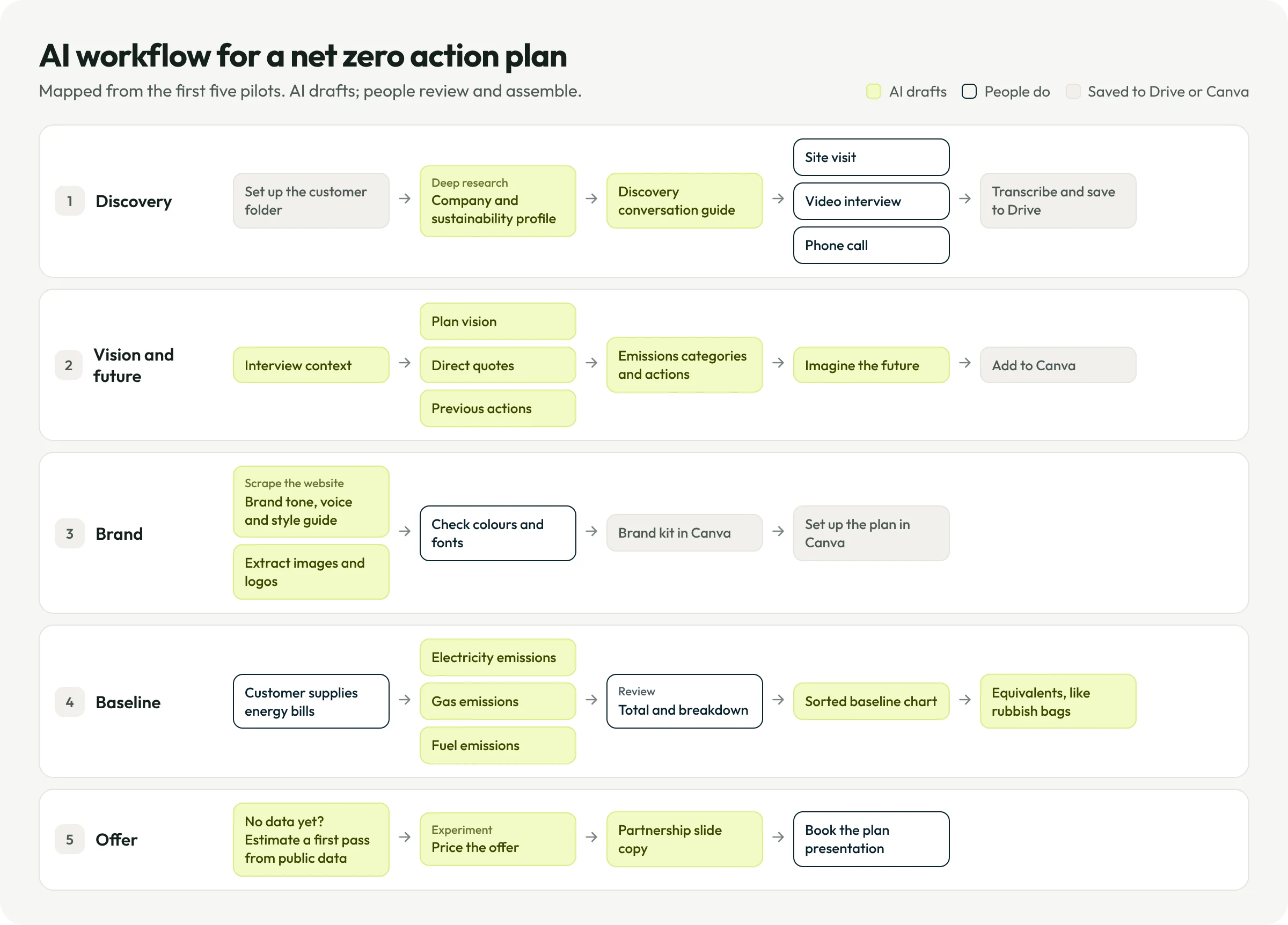
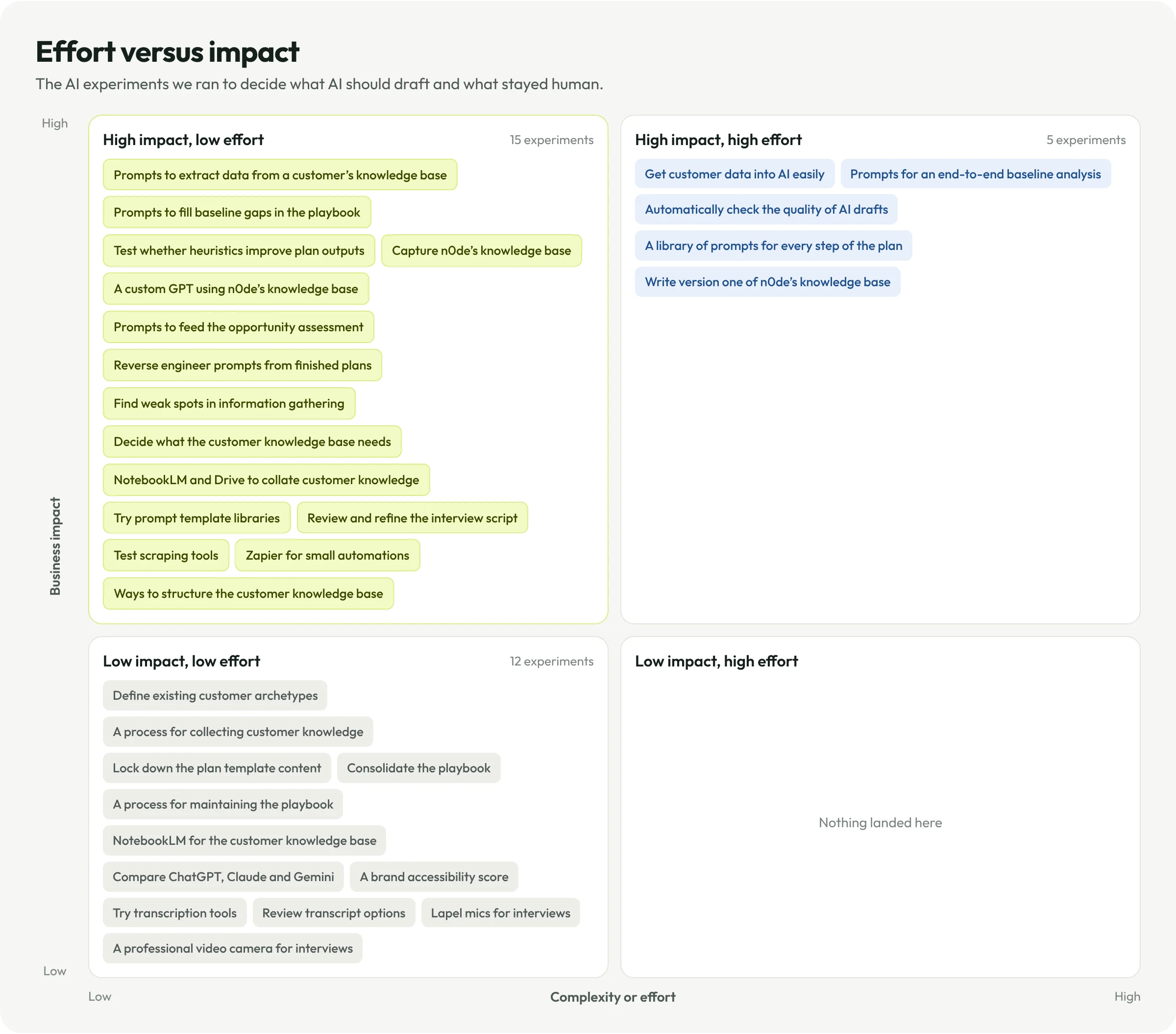
- After the first five pilots, I mapped the method into an AI workflow across discovery, vision, brand, baseline and offer. AI writes the first draft; people review, edit and assemble. When an output missed, I fixed the prompt rather than the output, so every run started closer to done.
- Result
- About eight weeks down to one day of team effort, used for the next eight customers.
- Trade-off
- A draft is only as good as its inputs, so the site visit, interview and bills stayed human-led.
Influence
The founders had deep climate expertise and a gift for explaining it casually in conversation. My job was to carry that clarity onto the page, in a form an owner would keep, share and act on. We aligned quickly because the first plans landed in the room.
What I set up that outlasted the Dillicious plan:
- The discovery interview guide. I wrote it, and it became n0de’s standard script, including the “wave a magic pickle” question that got owners talking about what they actually needed.
- Customer archetypes. I synthesised the pilot interviews into n0de’s two buyers: the Visionary Innovator (founder-led, driven by story, like James) and the Credible Achiever (driven by tenders and return). They shaped how n0de pitched and what each plan led with.
- The voice step in the workflow. I built brand and tone-of-voice extraction into the AI workflow, so every later plan spoke in its owner’s voice by default.
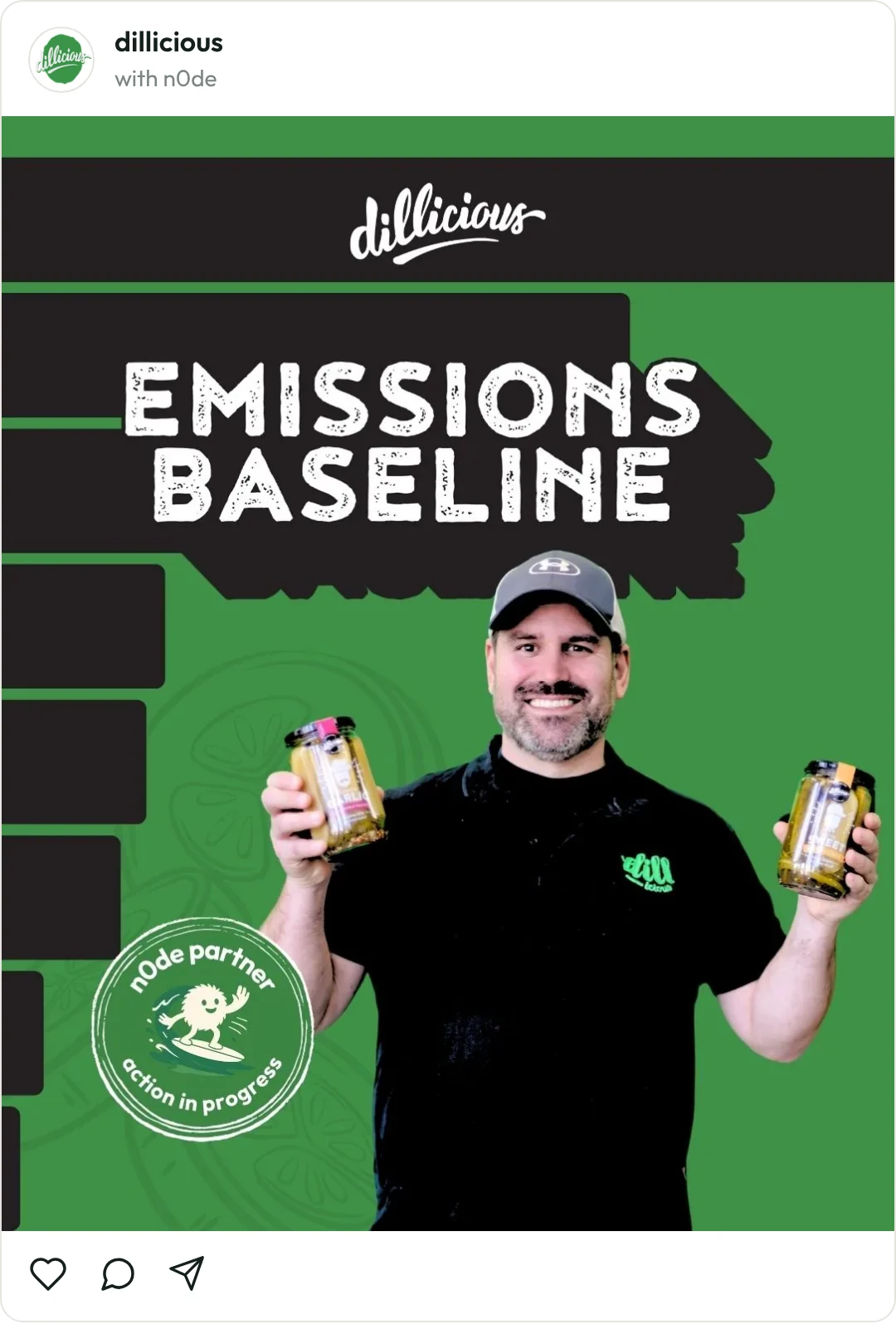
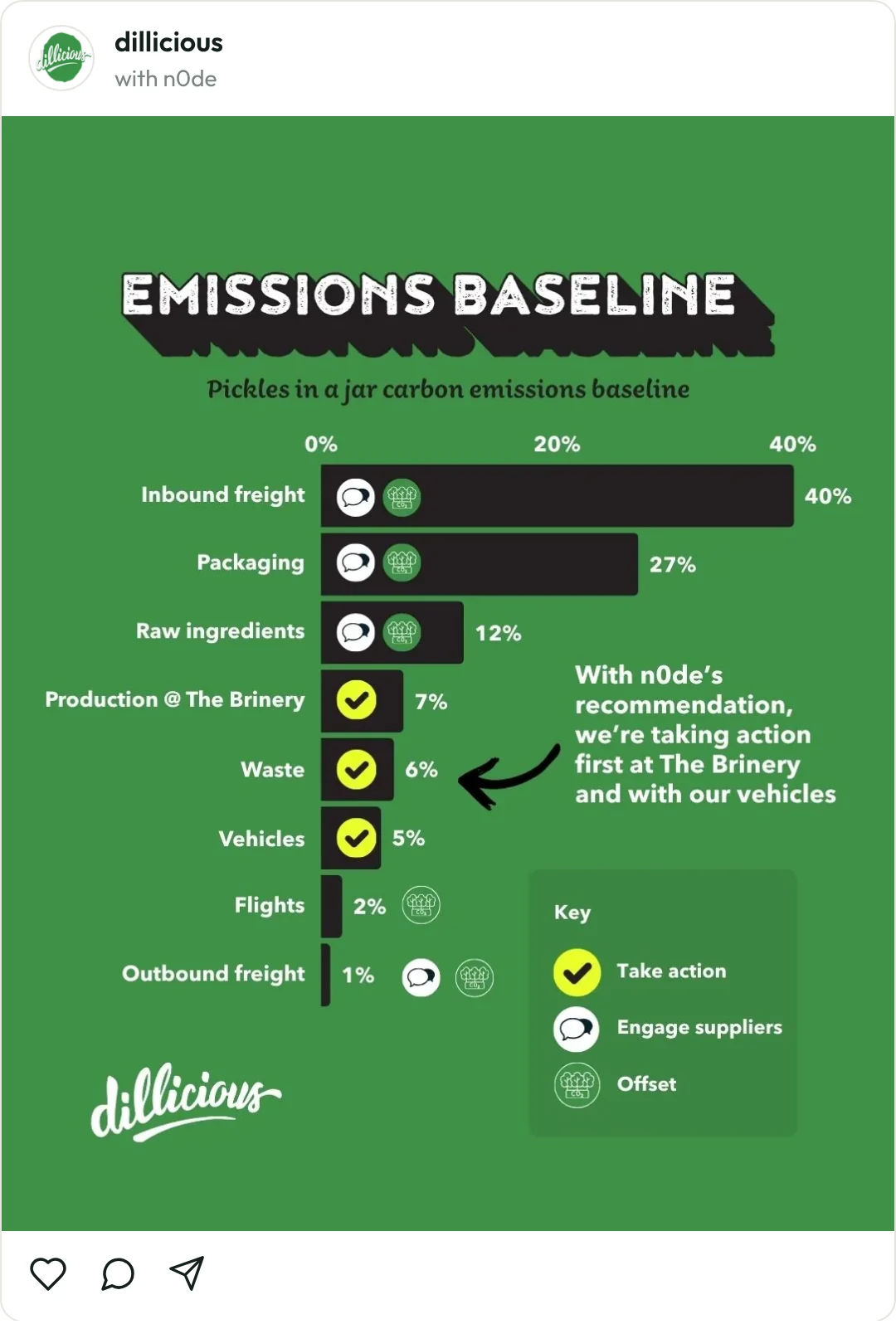
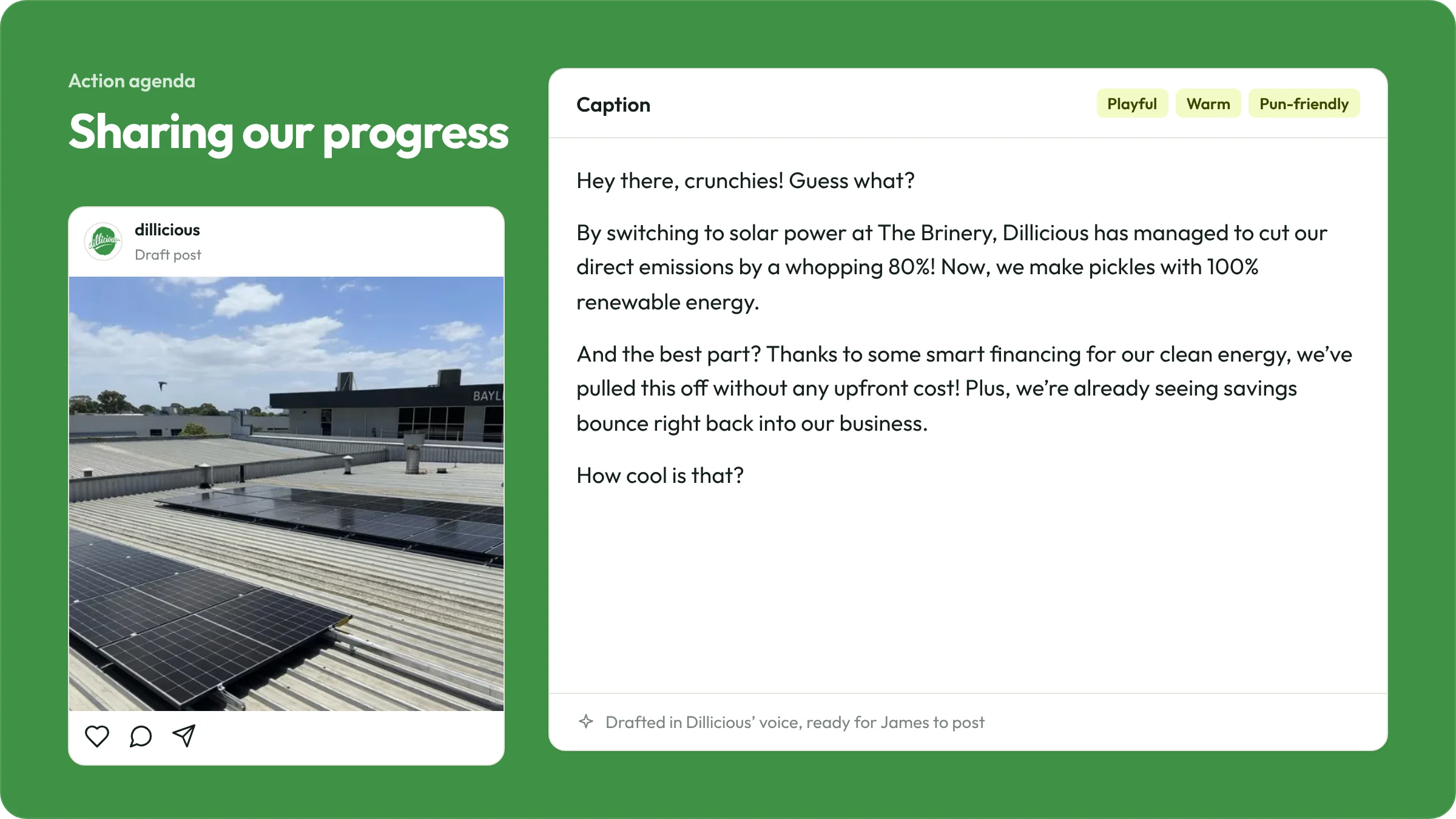
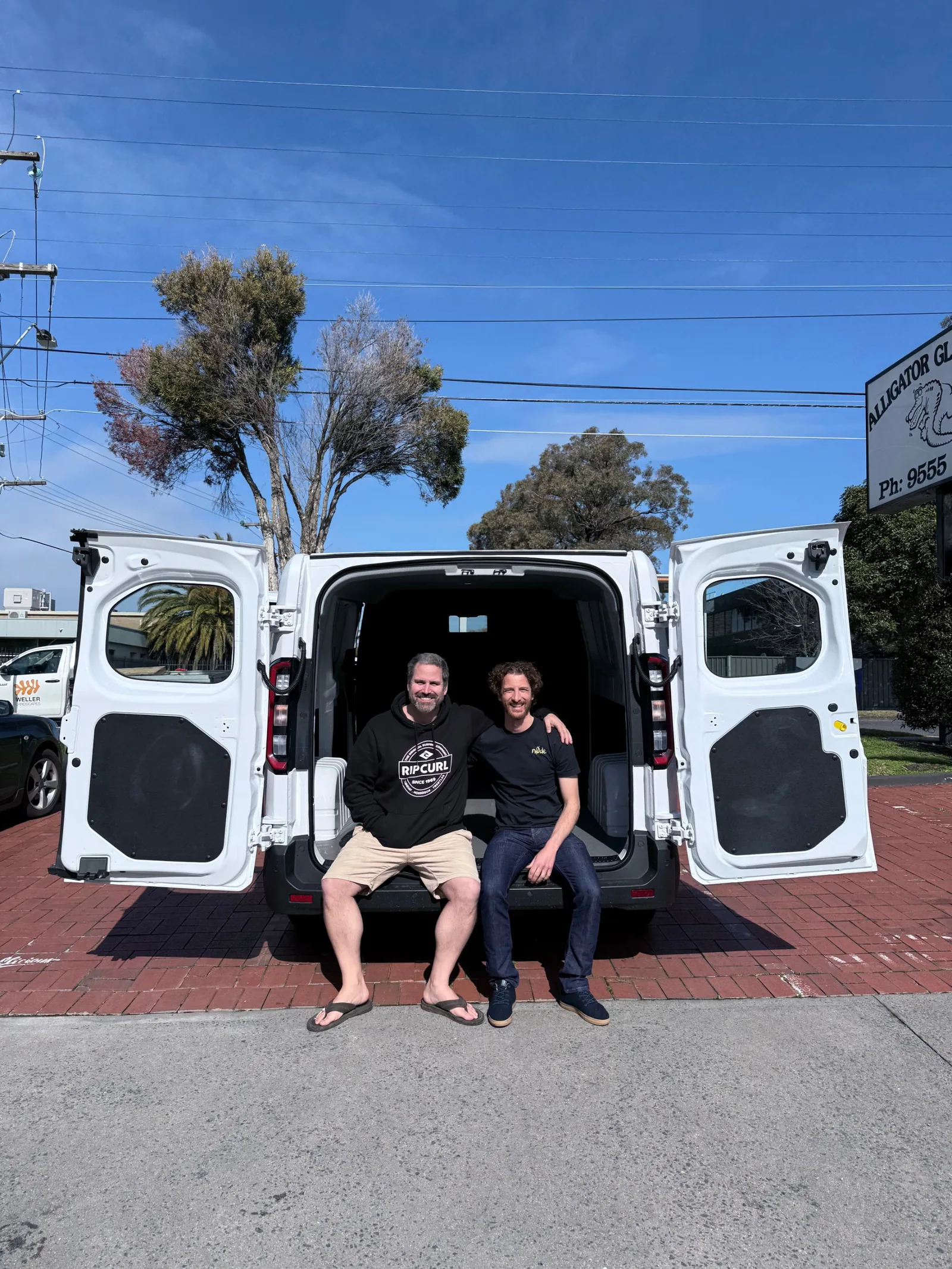
- Dillicious’ content program. After the plan, I ran their posting plan and wrote the content and captions: the partnership, the baseline, solar, GreenPower and the EV van. The plan became a story they kept telling in public.
At n0de she helped us move from big, sometimes half-formed thinking about net zero action into actual customer experiences, product flows, prompts, processes and deliverables that people could understand and use.
 Scott FerraroCo-founder, n0de
Solution
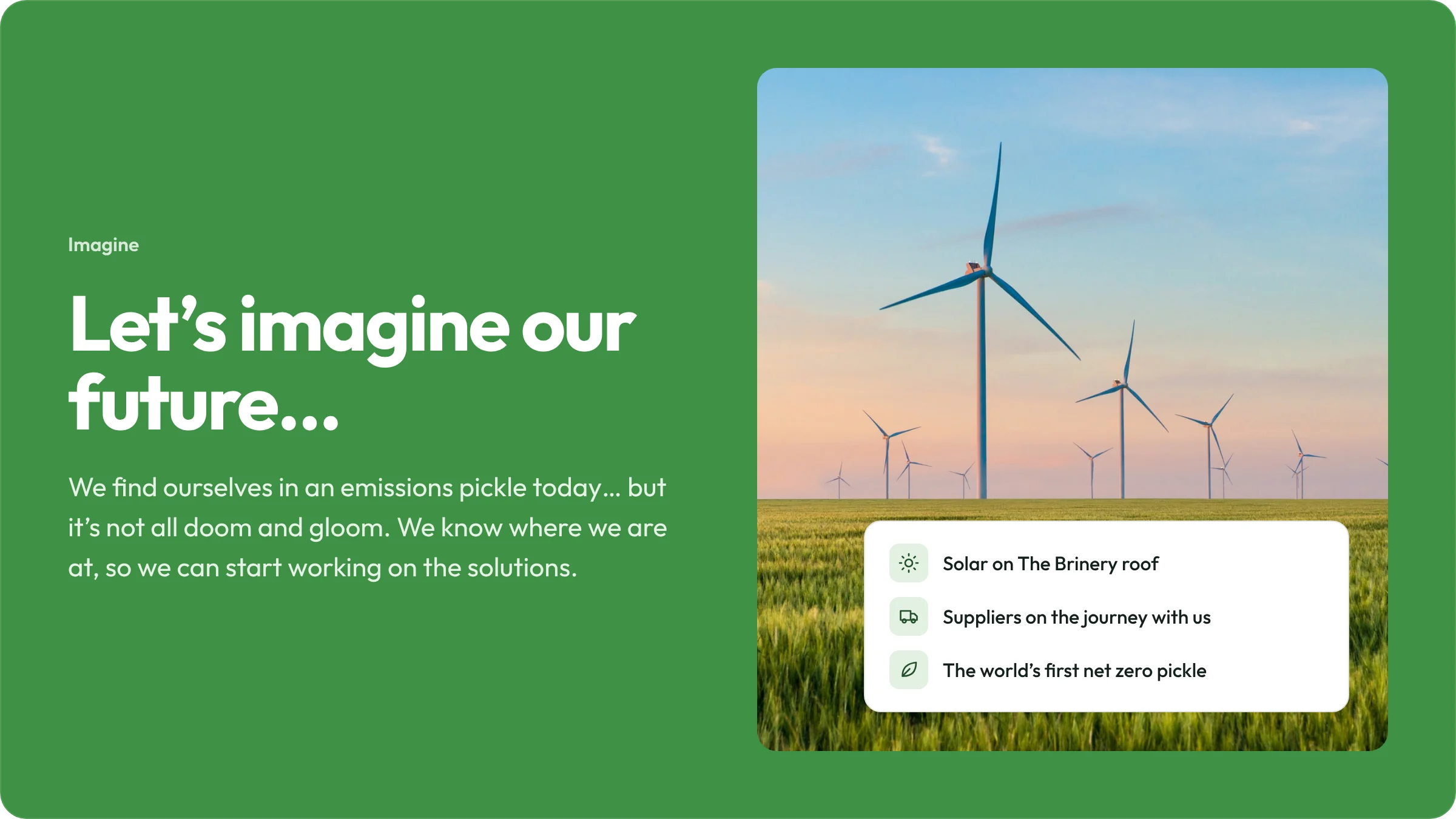
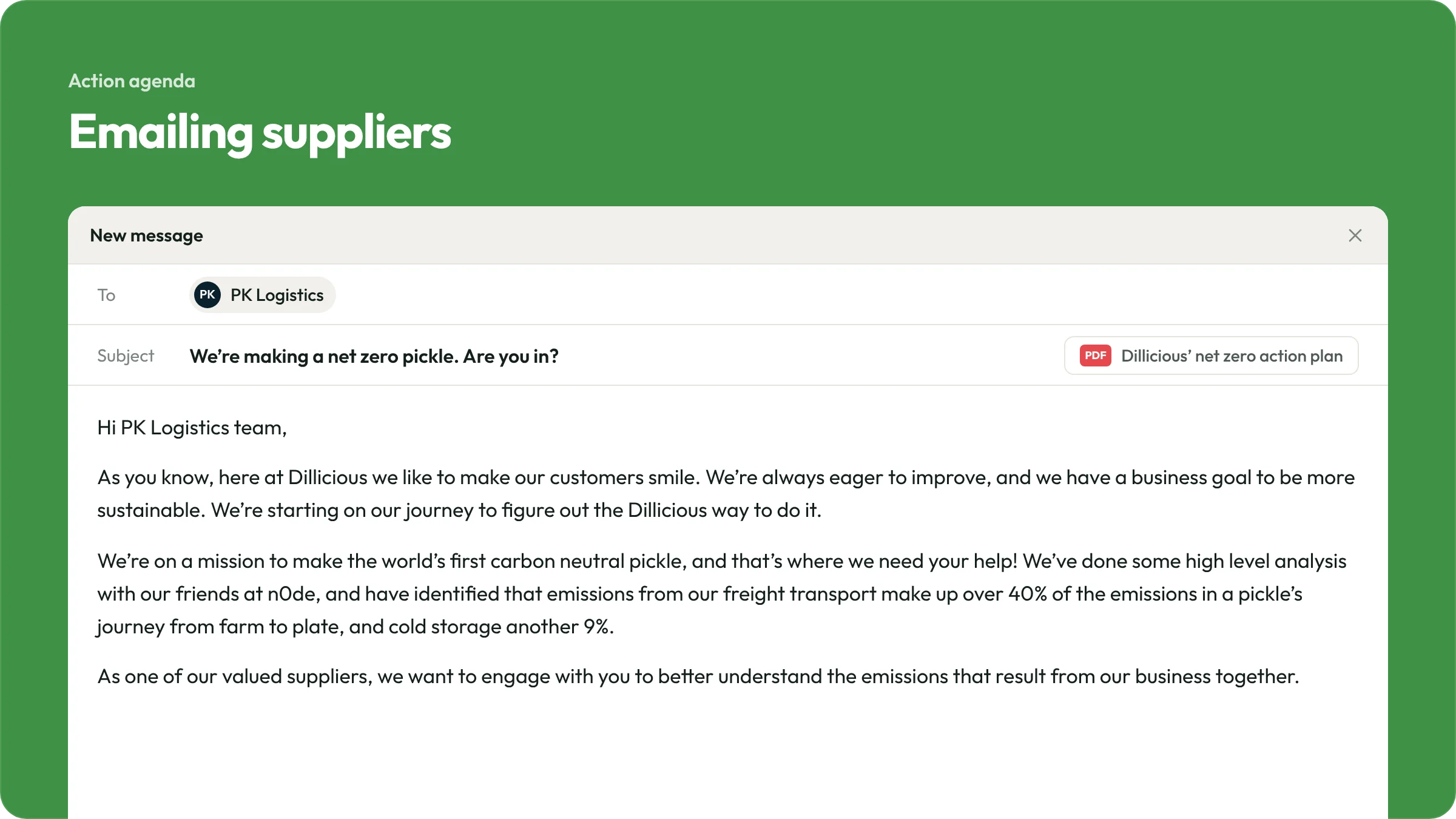
The reel at the top shows where the work was heading: a 2026 concept of the plan as a self-serve product. Everything below is the real plan Dillicious received and acted on.


 Concept
Outcomes
- 3 monthsFree pilot to paying customer, for ongoing support, decision support and the content program
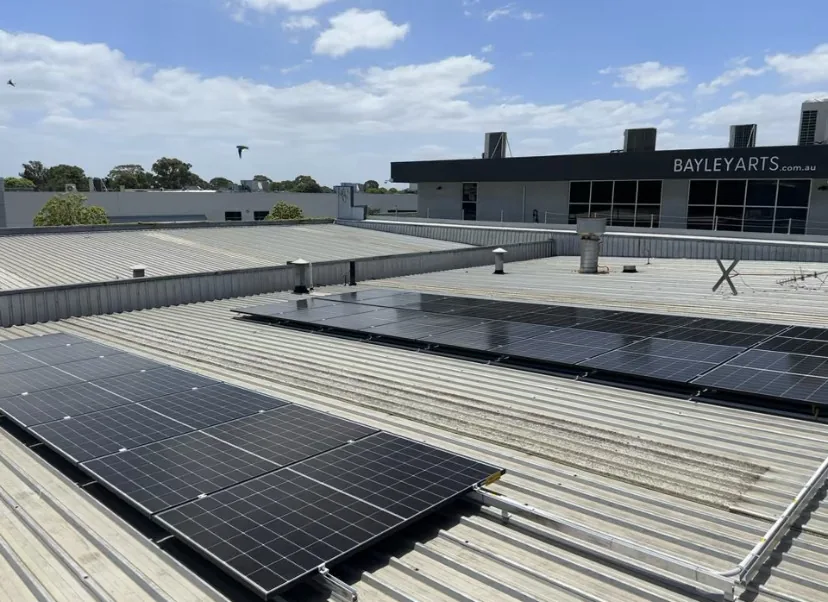
- 50%Of The Brinery’s electricity from solar, measured against real consumption data
- 100%Renewable electricity from July 2025, through solar plus GreenPower
- 8 weeks to 1 dayTeam effort per plan once the AI workflow was in place, used for the next eight customers
For Dillicious
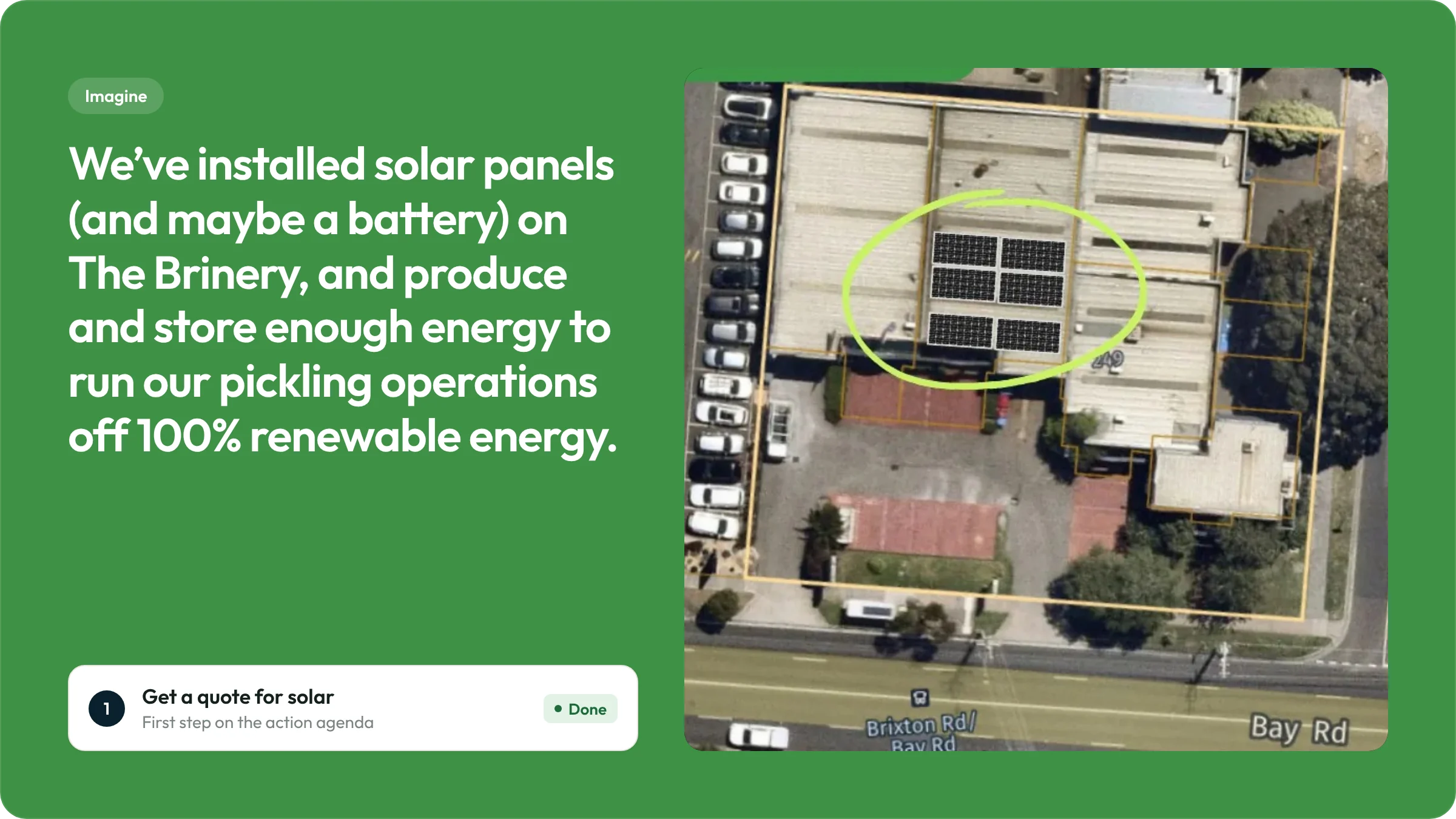
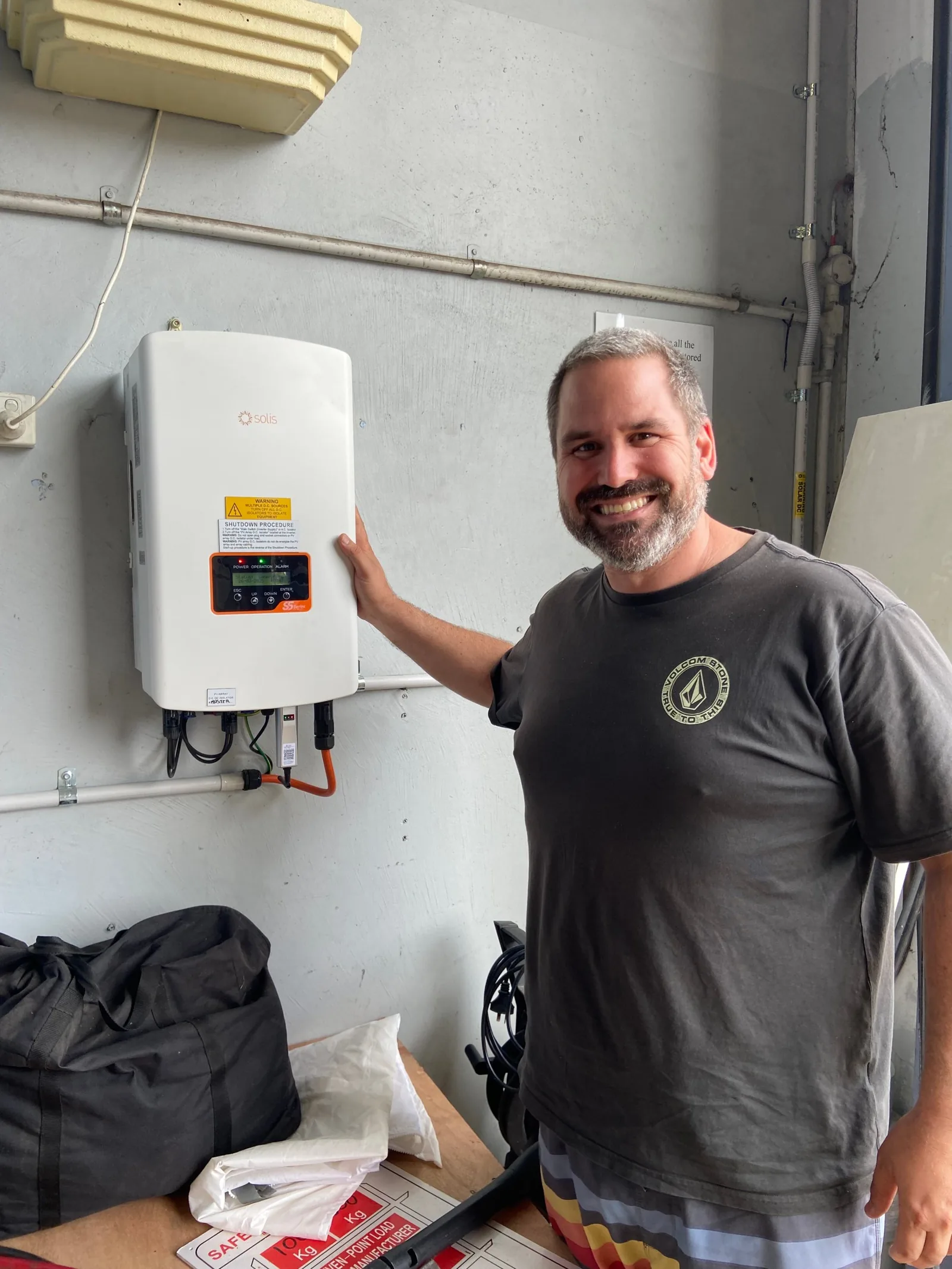
- Solar installed at The Brinery after three years of stalled quotes.
- No upfront cost: James chose a financed option, trading some savings for zero capital outlay, which was exactly the barrier he named in discovery.
- Plan published publicly in May 2025, followed by a content series I ran (solar post (opens in new tab), EV van posts (opens in new tab)).
Things that we’ve wanted to do for three years we’re actually doing.
James BarbourFounder, DilliciousFor n0de
- The Dillicious plan and the first five pilots became the method behind the AI workflow.
- My interview guide and customer archetypes became how n0de discovered and sold.
- Small businesses loved the plans, but there wasn’t enough pull to fund software, so n0de moved to large businesses. I supported that call by analysing customer conversations for demand signals.
Reflection
Data doesn’t land on its own
I’d seen it at Reejig and EngineRoom, and Dillicious made it unmistakable. Data supports a decision, but people make decisions emotionally. To frame data well, I need to understand the person’s world first: what they value, their constraints, and how they’ve made decisions before. That’s now the first thing I do on any data-heavy product.
What I’d do differently: listen to the pull sooner
Pre-product-market fit, there’s a blurry line between signal and hope. One brilliant early adopter can feel like demand. James felt like proof, but the wider market wasn’t pulling the same way. Next time I’d set demand signals up front and be ready to pivot faster when they don’t show.